
Water Source Development – Riverbank Filtration Feasibility Study
Client Name:
Umngeni-uThukela Water
Consulting Engineers:
SDM-FLUX JV
Project Summary:
The feasibility study evaluated the potential of using riverbank filtration (RBF) as a sustainable water abstraction method for the Nondabuya Water Treatment Works. The challenge was to secure a reliable and cost-effective water source for the growing demand in the region. The project involved hydrogeological investigations, aquifer testing, and conceptual design of RBF wellfields to assess their ability to provide safe and sustainable yields.
The outcome confirmed that RBF is a technically viable solution that can supplement existing surface water supplies, reduce treatment costs, and improve resilience during droughts or surface water quality deterioration.
Key Services Provided:
- Hydrogeological field investigations
- Aquifer characterisation and pumping tests
- Feasibility assessment of RBF wellfields
- Conceptual design of abstraction system
- Water quality analysis and treatment cost comparison
- Recommendations for phased implementation
Problem & Solution:
The initial problem was the increasing strain on surface water resources and high treatment costs at Nondabuya WTW. Communities were vulnerable to interruptions during droughts and poor river water quality events.
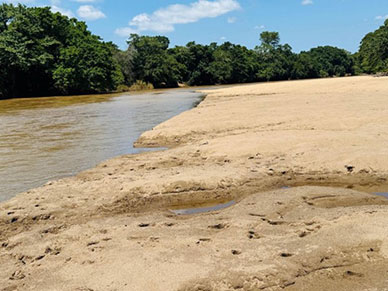
By investigating RBF, Near Surface, AGES and Element Water Services demonstrated a nature-based solution where riverbank sediments act as a natural filter, reducing treatment needs while providing a steady groundwater-fed supply. This solution offers greater reliability, lower operational costs, and improved water security for the region.
High Quality Images
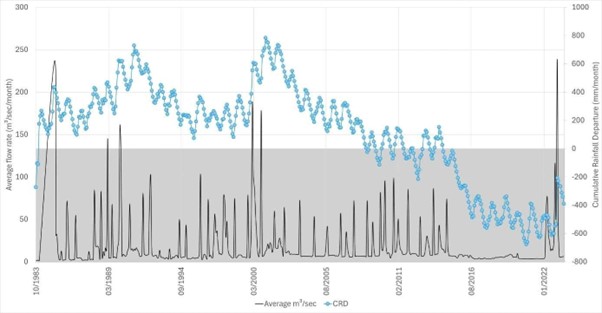
Average monthly flow rate for Phongolo River at Jozini
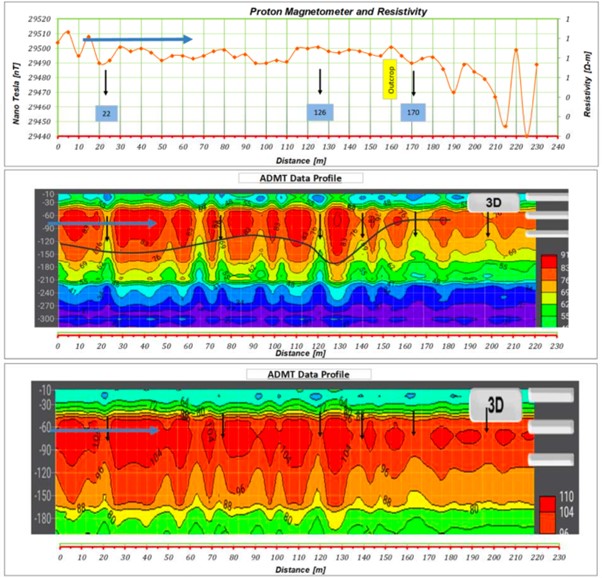
Geophysical Surveys in Nondabuya
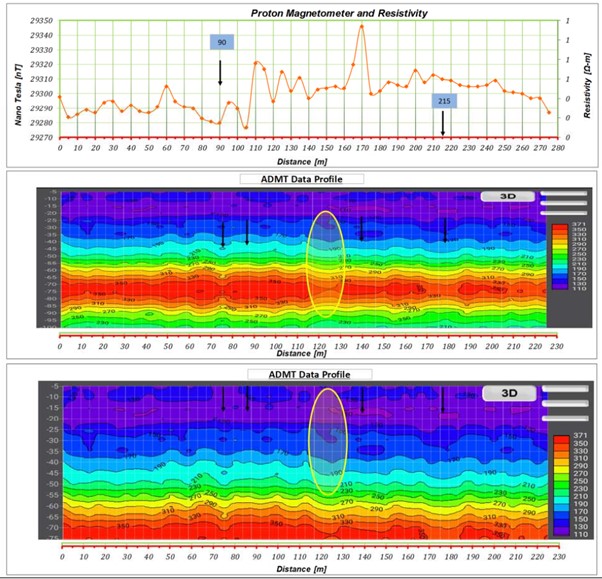
Geophysical Surveys along the Pongola Riverbanks
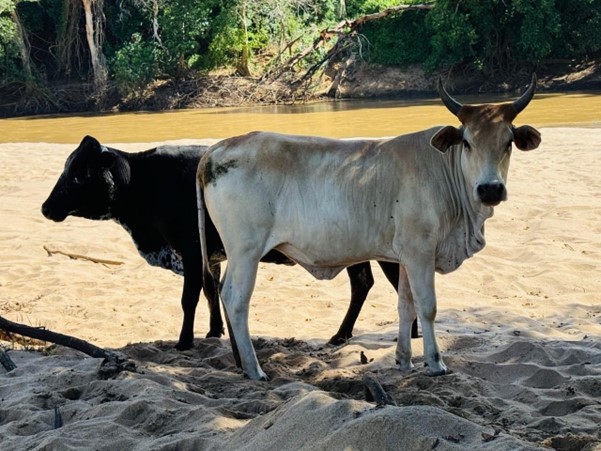
Water Source Development 01
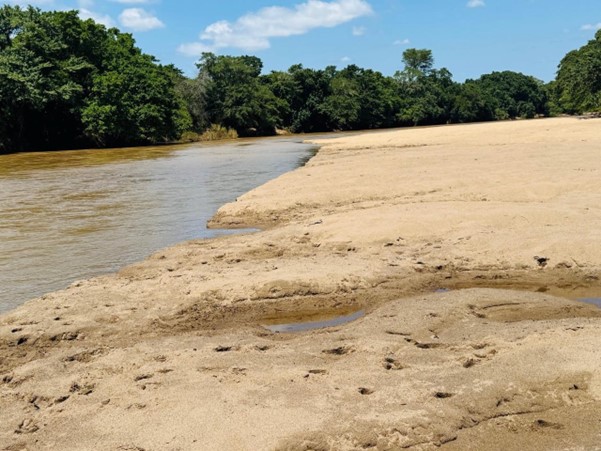
Water Source Development 02
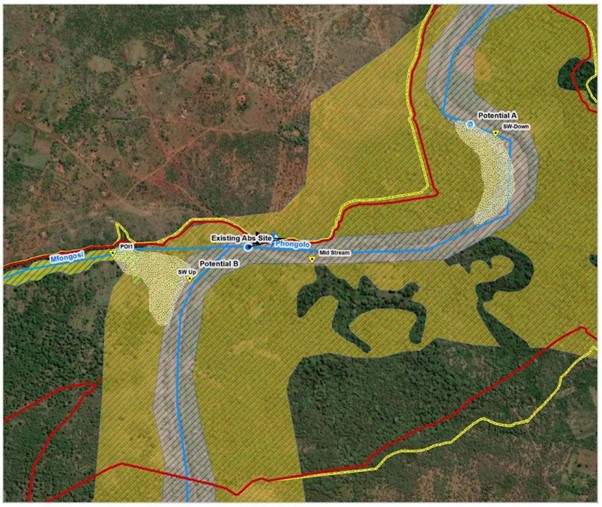
1-50 and 1-100 flood lines generated for the site, surface water sample sites & potential abstraction position
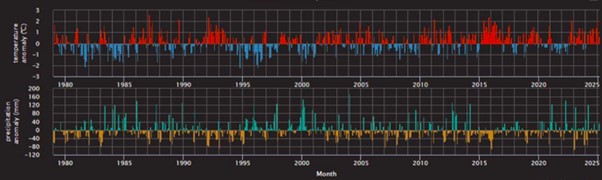
Monthly anomalies of Temperature and Precipitation
Conclusions & Recommendations
The feasibility study confirmed that Riverbank Filtration (RBF) is a practical and sustainable option for supplementing supply at Nondabuya Water Treatment Works. Investigations showed that nearby aquifers can deliver reliable yields while naturally improving water quality, reducing treatment costs. RBF will also strengthen resilience during droughts and times of poor river water quality. It is recommended to proceed with pilot testing and phased development of wellfields, supported by continuous monitoring. Integrating RBF into the region’s water resource strategy will ensure greater reliability, efficiency, and long-term security of supply.